



Understanding the Nature of Luck in Gambling
One of the most pervasive myths surrounding casino gambling is the belief that luck can be manipulated or that it favors certain players over others. Many patrons enter casinos convinced that they can ‘charm’ luck in their direction, often through rituals or superstitions. However, the reality is that casino games are designed to be random and fair. Games like slot machines and roulette use random number generators, ensuring that every spin or roll is independent of the last. For those interested in trying their luck online, the best online casino options provide a wide variety of games to enjoy. This randomness is a fundamental principle underlying all casino games, making luck an unpredictable variable rather than a controllable one.
Additionally, the misconception that streaks can influence outcomes is prevalent. Players often believe that if a certain number has come up several times in a row, it is ‘due’ to change. Such thinking ignores the independent nature of each game outcome, as previous results do not alter the odds of future plays. For instance, in a game of roulette, whether red or black has won multiple times does not change the probability of the next outcome. This misunderstanding of probability can lead players to make decisions based on flawed reasoning.
Understanding the reality of luck in gambling is crucial for players who wish to engage responsibly. Realizing that outcomes are random can help mitigate losses and promote a healthier approach to gambling, allowing players to enjoy the experience without unrealistic expectations. Acknowledging that luck in gambling is not a factor that can be controlled leads to more informed decisions and a more satisfying gaming experience.
The Illusion of Strategy and Skill
Another common myth is that success in casino games is solely reliant on skill or strategy. While it is true that some games, such as poker and blackjack, do involve elements of strategy and skill, many casino games are primarily based on chance. For example, in games like slots and baccarat, players have no ability to influence the outcome based on skillful play. An understanding of the house edge helps clarify this distinction. The house edge ensures that over time, the casino will always retain a certain percentage of winnings, regardless of player skill.
Players often believe that there are unbeatable strategies that can guarantee wins. In poker, knowing about odds and bluffing can certainly improve a player’s chances, but even the best players can face bad luck. Such variance is part of the game, and while skill might increase a player’s chances in the long run, it does not eliminate the risk of loss during any individual session. This is crucial for gamblers to understand, as it prevents them from relying too heavily on strategies that may not yield consistent results.
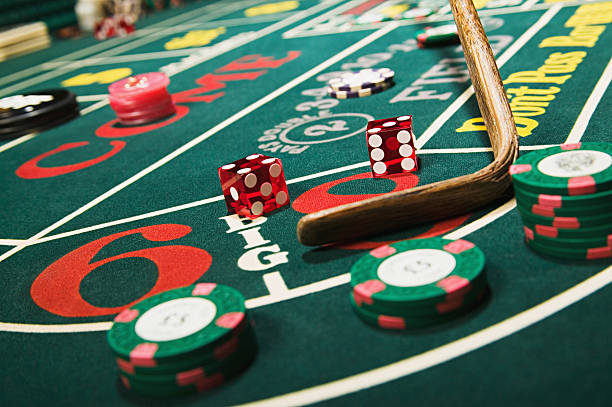
Furthermore, the myth that all casino games can be mastered through practice or study can lead to a dangerous gambling mindset. Gamblers might invest excessive time and money into attempting to learn strategies that may not only be impractical but also ineffective in the long run. Awareness of the limitations of strategy in certain games fosters a more realistic approach to gambling and encourages players to enjoy the entertainment aspect rather than focusing solely on the outcome.
The Misconception of Winning Streaks
The belief in winning streaks is another area clouded by myth. Many players ascribe their triumphs to a run of good luck or a ‘winning streak.’ They might enter a casino feeling invincible, riding the adrenaline of a few successful bets. However, this can lead to risky behavior, as players may continue to gamble beyond their limits, convinced that their winning streak will last indefinitely. It is important to recognize that winning streaks can occur purely by chance and are not indicative of future outcomes.
The concept of the ‘gambler’s fallacy’ is directly tied to this myth. Players may believe that past outcomes will influence future events; for instance, if a player has won several times, they may wrongly conclude that they will continue to win. This fallacy highlights the need for players to understand that every game round is independent. Each spin, roll, or hand is a separate event, and the outcome does not change based on prior results. This realization can help players maintain a more level-headed approach to gambling.
Additionally, it’s crucial for players to recognize the importance of setting limits and adhering to responsible gambling practices. Emphasis on personal finance management can prevent the pitfalls of chasing losses or becoming overly confident during streaks. By acknowledging that winning is sporadic and unpredictable, players can enjoy gaming without succumbing to the cycle of risk-taking and emotional highs and lows that often accompany attempts to chase streaks.
Casino Gambling and Addiction
One of the most serious myths surrounding casino gambling is the misconception that it is a harmless form of entertainment. While many people enjoy gambling responsibly, there is a darker side that involves addiction. The belief that ‘only certain types of people’ become addicted can lead to stigma and misunderstanding. In reality, gambling addiction can affect anyone, regardless of socio-economic status, education, or background. Increased awareness about the risks and signs of problem gambling is essential for fostering a culture of responsibility.
Gambling can trigger the same brain responses as substance addiction, particularly in how it creates feelings of excitement and reward. This biological response can lead some individuals to chase losses or become increasingly involved in gambling to experience that high. It’s vital for those who gamble to be educated about the signs of problem gambling, such as financial difficulties, neglecting responsibilities, or using gambling as an escape from stress or anxiety. Recognizing these signs is the first step towards seeking help.
Moreover, fostering a supportive environment for those who may be struggling with gambling addiction is crucial. Efforts should be made to promote responsible gambling practices and provide resources for support and treatment. Establishing a balance between enjoying gambling as a recreational activity while remaining vigilant about its potential dangers can help mitigate the risk of addiction. Understanding that addiction is a reality that can affect many people emphasizes the importance of awareness and education in the gambling community.
Resources for Responsible Gambling
For anyone interested in gambling, understanding the myths and realities is just as vital as enjoying the games themselves. Responsible gambling websites provide resources, community support, and tools to help individuals engage in safe gambling practices. These platforms often include tips on how to set limits, recognize the signs of addiction, and access help when necessary. They highlight the importance of approaching gambling as a form of entertainment rather than a means of financial gain.
Access to educational resources about odds, games, and responsible gambling can empower players to make informed decisions. Websites focusing on responsible gambling often offer practical advice on how to stay within one’s budget and when to walk away. This knowledge can protect players from the pitfalls of overspending and help them cultivate a healthier relationship with gambling.
Ultimately, the goal of these resources is to foster a safe and enjoyable gambling environment. Awareness of the myths surrounding casino gambling helps demystify misconceptions and promotes a culture of responsibility. By engaging with reputable sources, individuals can make sound choices, ensuring that their gambling experiences are entertaining, informed, and respectful of their limits.